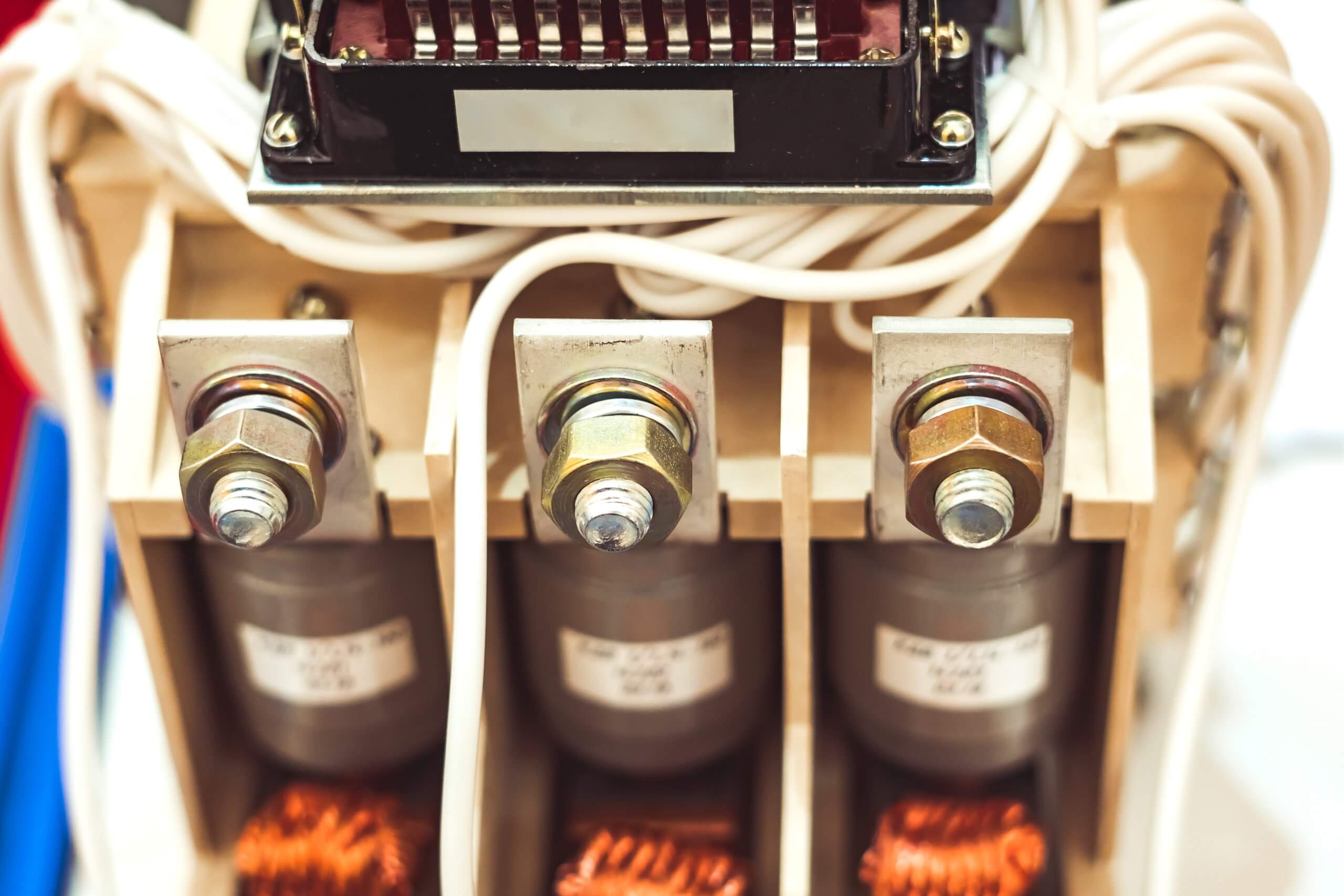
How Do Power Factor Capacitors Improve Energy Distribution Systems?
Power factor correction capacitors are an effective way to improve energy distribution systems. The reason is that electrical systems with inductive loads, for example, motors and fluorescent lights, can cause reactive power absorption and reduce the power factor. This is where the capacitors come in: they store electrical charge and act as reactive current generators, offsetting the non-working power used by inductive loads and, in the process, helping to improve power factor outcomes. The good news is that capacitors can be installed at any point in the electrical system, including distribution substations, capacitor banks, and underground systems.
Adding power factor correction capacitors to an electrical system can help to maximize current-carrying capacity, improving voltage to equipment, reducing power losses, and lowering electric bills in the process. Capacitors are able to reduce the burden caused by reactive power and neutralize magnetic current, cutting losses in the electrical distribution system.
A power factor of 0.85 and below is typically regarded as ‘poor’ by utility companies, and they may penalize consumers with such a low power factor. That is why capacitor-based power factor correction circuits are often used to improve the power factor of a load or an installation.
When selecting capacitors for a specific application, it is important to consider a number of key variables, for example, the var or KVAR rating of the capacitor, which shows how much reactive power the capacitor will supply. Capacitor banks can be used to regulate the power factor, ensuring the proper functioning of electrical power systems, reducing i2R losses in wires, and ultimately reducing costs for energy providers.