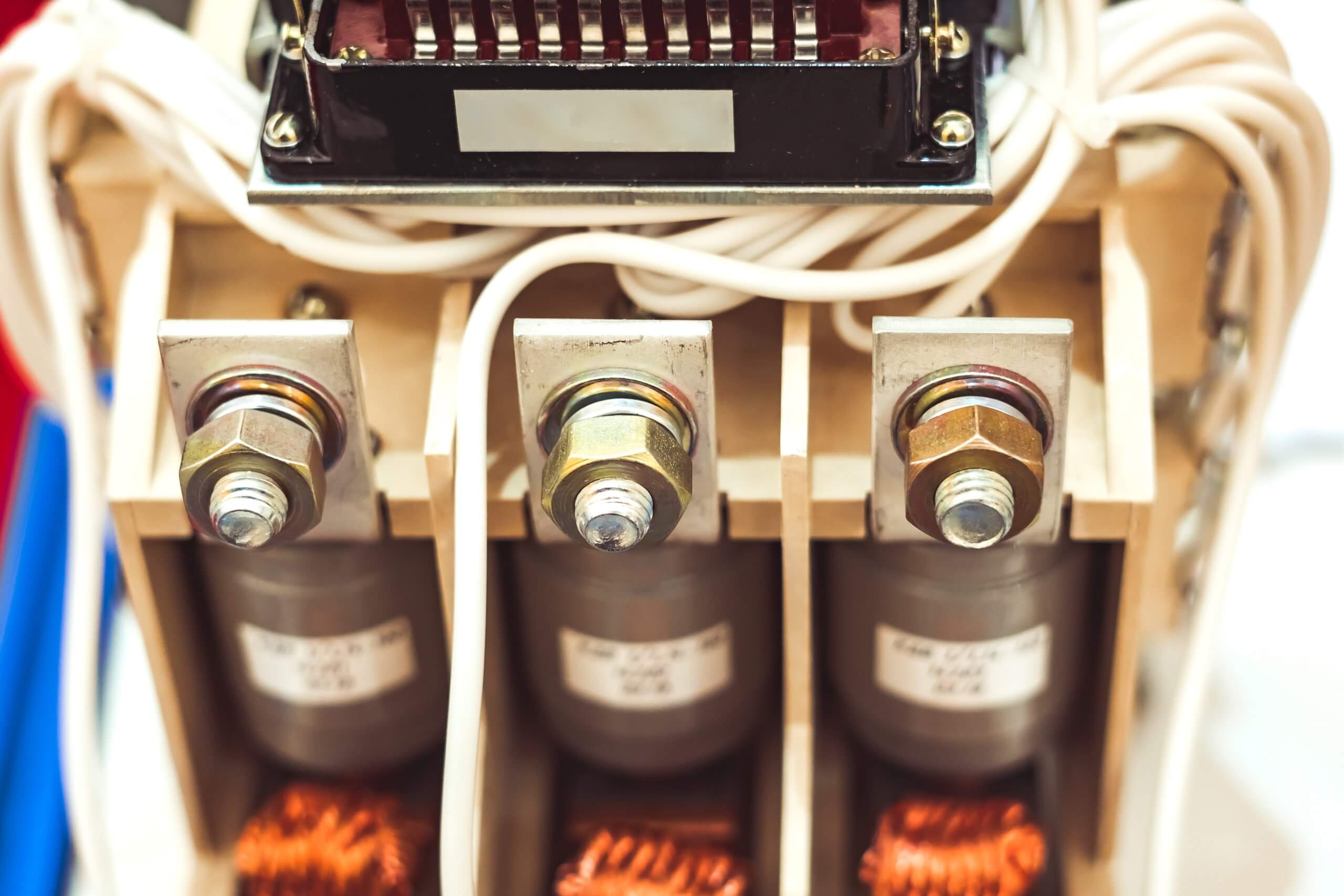
Are Power Factor Capacitors a Sustainable Solution for Energy Conservation?
Power factor capacitors are a valuable tool in improving your system’s power factor and bringing about energy conservation. By understanding power factor and the benefits of power factor correction, we can explore how these can contribute to sustainable energy conservation.
What is the power factor?
The power factor is a measure of the efficiency of an electrical system. It is calculated by dividing the real power (the power actually used by appliances) by the apparent power (the total power, including both real and reactive power). A power factor closer to 1 indicates a more efficient system. When the power factor is less than 1, more current is needed to deliver the same amount of real power, leading to increased energy losses.
What are the benefits of power factor correction?
Power factor correction is designed to conserve energy. By adjusting the power factor closer to 1 through the use of power factor correction capacitors, systems can reduce the amount of wasted reactive power, allowing electrical devices to function more efficiently with less current. This, in turn, results in lower energy consumption.
In general, if one can improve power factor performance, one can reduce energy consumption by between 5% and 25%. Energy savings of this magnitude can make a huge difference to anyone’s bottom line.
Reducing the reactive power
Reactive power refers to power that causes energy to oscillate back and forth between the power source and the load without doing any useful work. Inductive loads like motors and transformers are common reactive power sources. Power factor correction capacitors act as reactive current generators, effectively canceling the reactive power drawn by inductive loads.